If the past twenty years were a marathon, my track was always laid between cold screens and invisible logic.
It was a world of unseen structures. I spent two decades hidden behind layers of digital complexity, maintaining an order that could neither be touched nor smelled. It was a time of absolute rationality, where my life was measured by instant pings and fragmented tasks. I felt like a precision gear in a high-speed machine, guarding a sense of stability that would vanish the moment the power was cut.
People often ask: “Why, at this stage of life, would you fall in love with the slow, mud-stained labor of gardening?”
I think it is because after floating in the virtual clouds for so long, the heart eventually yearns for the earth.
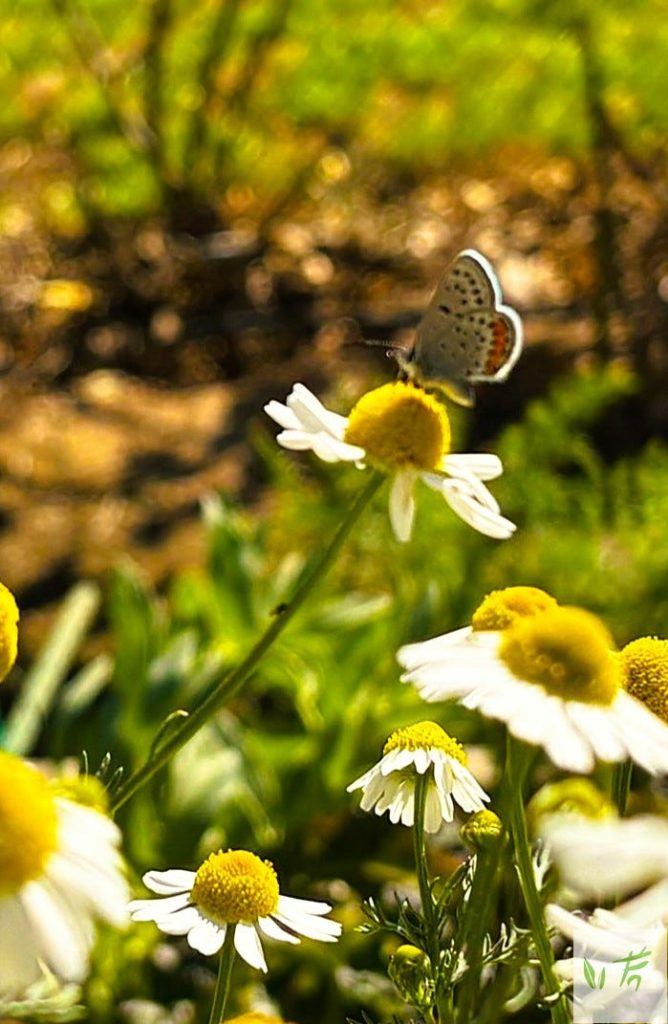
Seeking a Tangible Order
In my former life, my efforts often existed only as lines of code or checked-off boxes on a screen. That order was rigorous, yet it always left a lingering sense of emptiness.
But in the garden, everything is different. Here, every drop of sweat has a destination. Planning a vegetable plot is no longer about satisfying an external command; it is about creating space for life to breathe. The soil never pretends. It offers the most honest feedback: give it sunlight, and it glows; give it neglect, and it withers. This tangible order—one I can feel with my own hands—has healed the digital anxiety I carried for so many years.
The Grace of Letting Go
As the years pass, I have come to realize that life does not require addition, but subtraction.
In those busy years, we were trained to occupy, to fill, and to accumulate, until we became systems so crowded they could barely function. It wasn’t until I began “thinning” my seedlings that I truly understood. To let the strongest plant thrive, you must have the heart to pull others away.
This is so much like our own lives. To prune away unnecessary noise, to delete heavy attachments—the garden has taught me that true growth often begins with the courage to let go. This clarity is a form of grace taught only by the earth.
Rediscovering the Lost Rhythm
The modern world is too fast. Everyone demands an “instant response”; every notification insists on “immediate attention.” This constant tension made my life feel like a string pulled too tight, always on the verge of snapping.
But the garden is slow—stubbornly so. You cannot hurry a seed; you cannot skip the seasons. This slowness has allowed me to rediscover a lost rhythm—a pulse of life that isn’t chased by alarms or wrapped in urgency. I have learned to set down the craving for instant results and instead embrace the long, patient flow of nature.
Zenith and Flow
ZenithFlow—this is the name I’ve given to my small sanctuary.
“Zenith” is no longer the height of a career, but the clarity of the mind. “Flow” is no longer the exchange of data, but the steady breath of a life lived well. I am no longer a gatekeeper in a digital forest; I am simply a woman cultivating her soul in the soil.
In this secret garden, I have finally found the most reliable system of all: one that requires no electricity and no instructions—only a little patience, and a heart that longs to be free.